
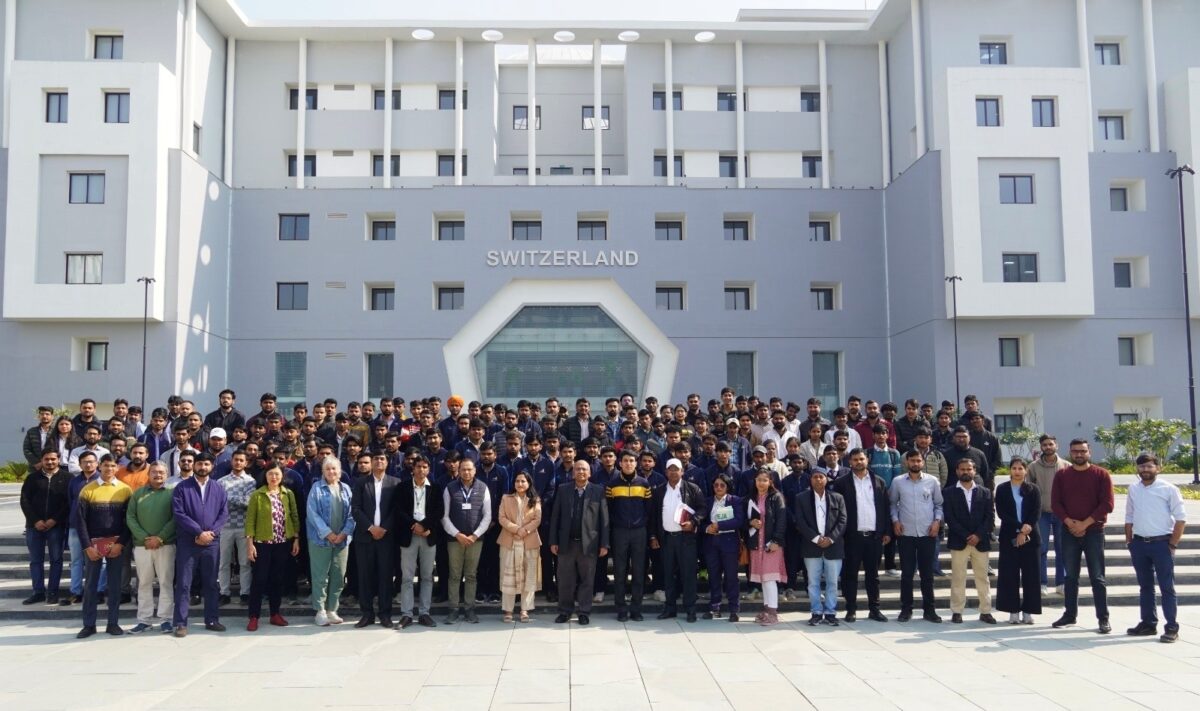
The educational partnership between Switzerland and India brings together policymakers, educational institutions, and the business community. Their shared mission is to develop vocational skills and sustainable educational pathways.
Switzerland contributes its experience in combining dual education, on-the-job training, and public responsibility. The Indian partners contribute their educational structures, industrial expertise, and social objectives. Together, they design educational programs tailored to the Indian context.
Collaboration as an Institutional Mission
Governments and relevant authorities define educational goals and align them with workforce needs. They establish the framework for accessible educational programs and ensure their alignment with the labor market. This collaboration fosters professional exchange and builds long-term educational partnerships. Ultimately, implementation rests with the participating institutions. They integrate this collaboration into their mission statements, planning, and quality assurance processes.
This is where DualEdu Bridge India® comes in. This project of the Rajendra & Ursula Joshi Foundation combines Swiss vocational training expertise with the development work of the Bhartiya Skill Development University (BSDU) in Jaipur. Its tasks include developing curricula, providing continuing education for teachers, and designing on-the-job training in collaboration with companies.
An effective educational architecture defines how an institution fulfills its educational mission: who leads, what is taught, how learning takes place within the institution, and how performance is measured. It also clarifies how teachers are qualified and who ensures the quality of education.
Educational architecture links an institution’s educational mission with its ability to fulfill it.
New educational models must be evaluated based on how clearly they define responsibility for training and which professional skills they demonstrably develop.
The curriculum defines practical competencies, and teachers design the necessary learning processes. Companies provide training opportunities. Performance evaluations demonstrate how students apply what they have learned in professional settings.
Customized education reports document their achievements and areas for development. The leadership of the educational institution ensures that instruction, on-the-job training, and performance evaluations are coordinated and that responsibilities are clearly defined.
This is where Switzerland makes a significant contribution: bringing together various educational objectives to foster reliable skills development. The specific details of this initiative are being worked out in collaboration with our Indian partners.
Workplace Experience as an Educational Objective
During an internship, the company plays an educational role. Students apply their specialized knowledge, work on real-world tasks, and take on responsibility.
Clear learning objectives, appropriate assignments, and qualified guidance determine the quality of training. Educational institutions and companies coordinate their efforts and evaluate learning progress.
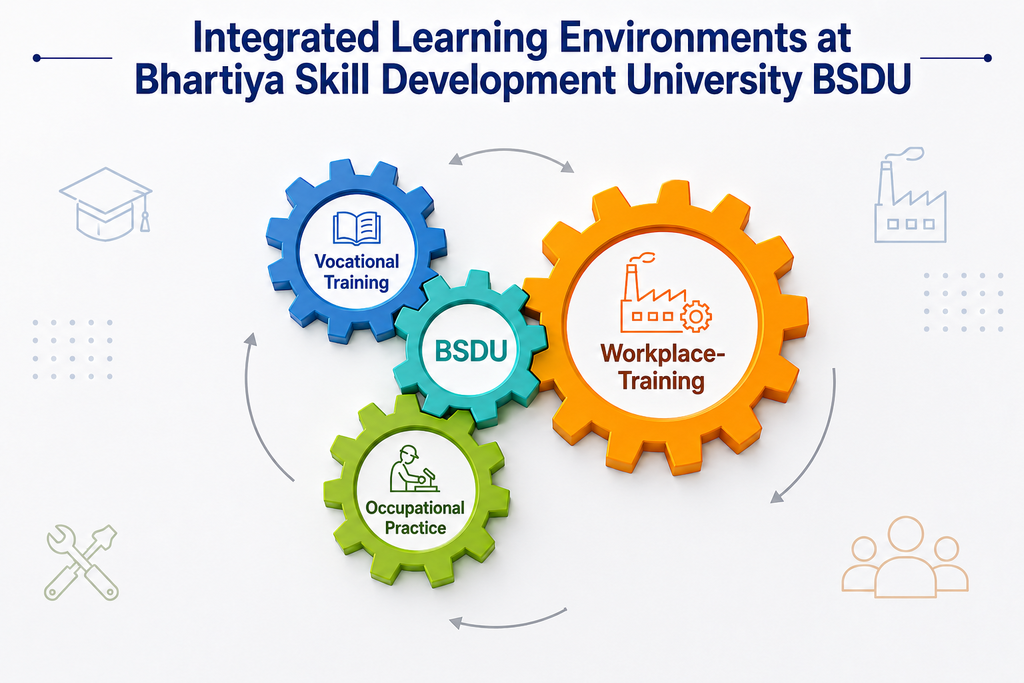
The Project DualEdu Bridge India® supports this connection. Contacts with industry open up opportunities for structured internships and targeted continuing education for employees. Swiss training expertise meets specific business needs.
After all , training must enable people to perform their job duties independently. To achieve this , classroom instruction and on-the-job training must be coordinated . Everyone involved must know what they are teaching and how to determine whether it has been learned.
The criterion is demonstrable professional competence.
WorldSkills as an International Benchmark
Two BSDU students represented India at WorldSkills Shanghai 2026 in the ICT Network Infrastructure and Renewable Energy disciplines. As the world’s largest showcase for vocational education and training (VET), the competition sets the highest standards for technical precision, independence, and performance under time pressure.

Analyzing individual competition performances now makes it possible to identify specific training priorities, train coaches, and prepare talented athletes in a targeted manner.
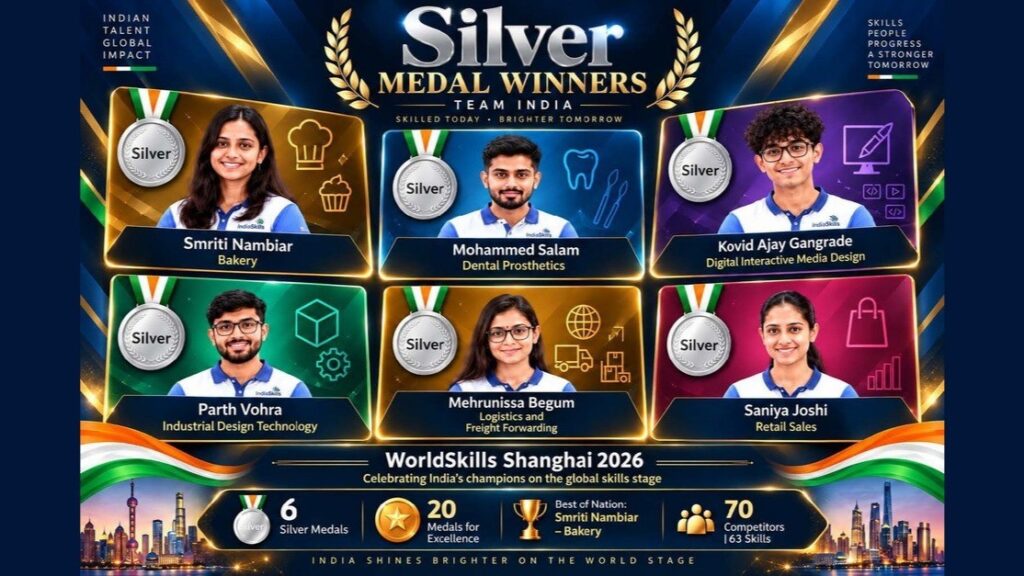
Team India won six silver medals and twenty Medallions for Excellence. The two BSDU students represented India as members of this national team.
Professional Competence, Access, and Cost-Effectiveness
A qualified entry into the workforce, continuing education, and advanced academic study serve different purposes. Flexible educational pathways connect these opportunities and open the door to advanced degrees.
Educational programs must be accessible to their target groups and financially sustainable over the long term. Therefore, learning objectives, access, and funding must be planned together.
DualEdu Bridge India® combines the development of educational programs with teacher training and vocational training in companies. The success of this collaboration is evident in what students achieve on their own and the career paths open to them.
Do you have any questions about the project?
Send an e‑mail to: contact@joshi-foundation.ch
We will be happy to answer your question.
Rajendra and Ursula Joshi Foundation / DualEdu Bridge India®
Rolf Siebold
Other articles document the development of DualEdu Bridge India® as well as the establishment of industry-integrated, practice-based higher education within the Indian higher education context. You can also find us on LinkedIn.

